
Chicagoland
A Chicago Bungalow Lists at $2.25 Million, Possibly a First for the Style. What It Says About Value in the City's Classic Homes
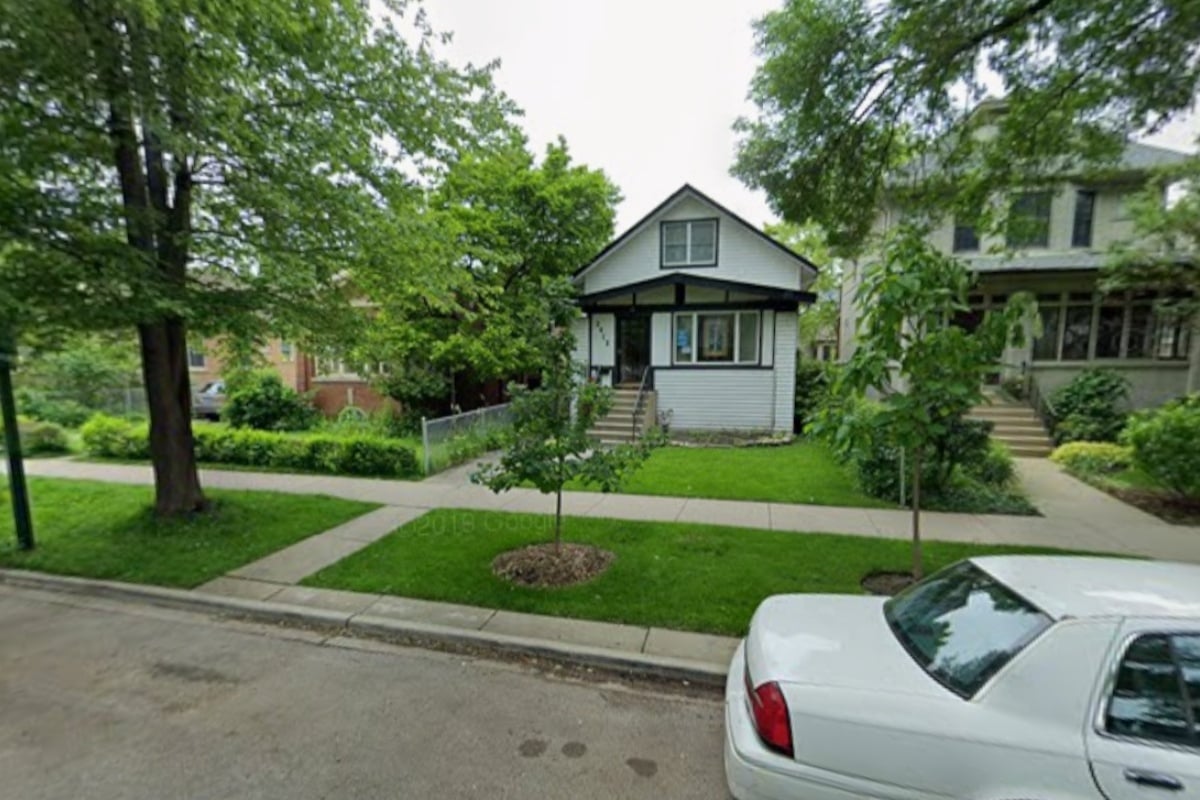
A new ceiling for a classic. A Chicago bungalow has hit the market at $2.25 million, and Hoodline reports it may be the first time the style has been listed at that level. Hoodline says the Sunnyside listing arrives in a city market defined by tight inventory and steady buyer demand.
For most of the last century, the bungalow was how working families got into Chicago homeownership: a sturdy brick house repeated block after block across the North and Southwest Sides. Now one is priced alongside lakefront condos and upper-tier single-family homes. That shows buyers pay for the renovation and the location, not the architectural label.
What this means for sellers. A bungalow has no built-in price cap. A home with a thoughtful renovation, well-planned living space and a strong block can be marketed against the broader upper tier, not just against other bungalows. That changes how you choose comps. If your home has been substantially reworked, the right comparison set may include homes of other styles with a similar finished product. Build your price from that evidence rather than from the neighborhood rule of thumb about what "a bungalow sells for."
There is a caution here too. A list price is an opening position, not a sale. Whether this home closes near its asking price will tell the market far more than the listing itself. Sellers should not treat one ambitious number as a new benchmark until a closed sale backs it up.
What this means for buyers. Tight inventory pushes buyers toward housing types they may have overlooked. Bungalows offer single-level living, solid construction and lots that often leave room to expand, which makes them attractive to buyers priced out of newer construction. The catch is that renovation quality varies widely. Before paying a premium, look at the work behind the finishes: permits, mechanical systems, and any converted attic or basement space.
Our take. Chicago's older homes hold their value where owners invest in them, and the market is rewarding that investment. If you are a Chicagoland homeowner weighing a renovation before selling, the question is not whether the style can support a high price. It is whether the work, the block and the presentation can justify it. Our team can help you make that case with real comps, whether you are buying or selling.